Why Minor-League and Community Sports Are Packing the Stands Again
Attendance and loyalty at minor-league and community sports events are climbing, and the reasons say a lot about what fans want from live entertainment right now.
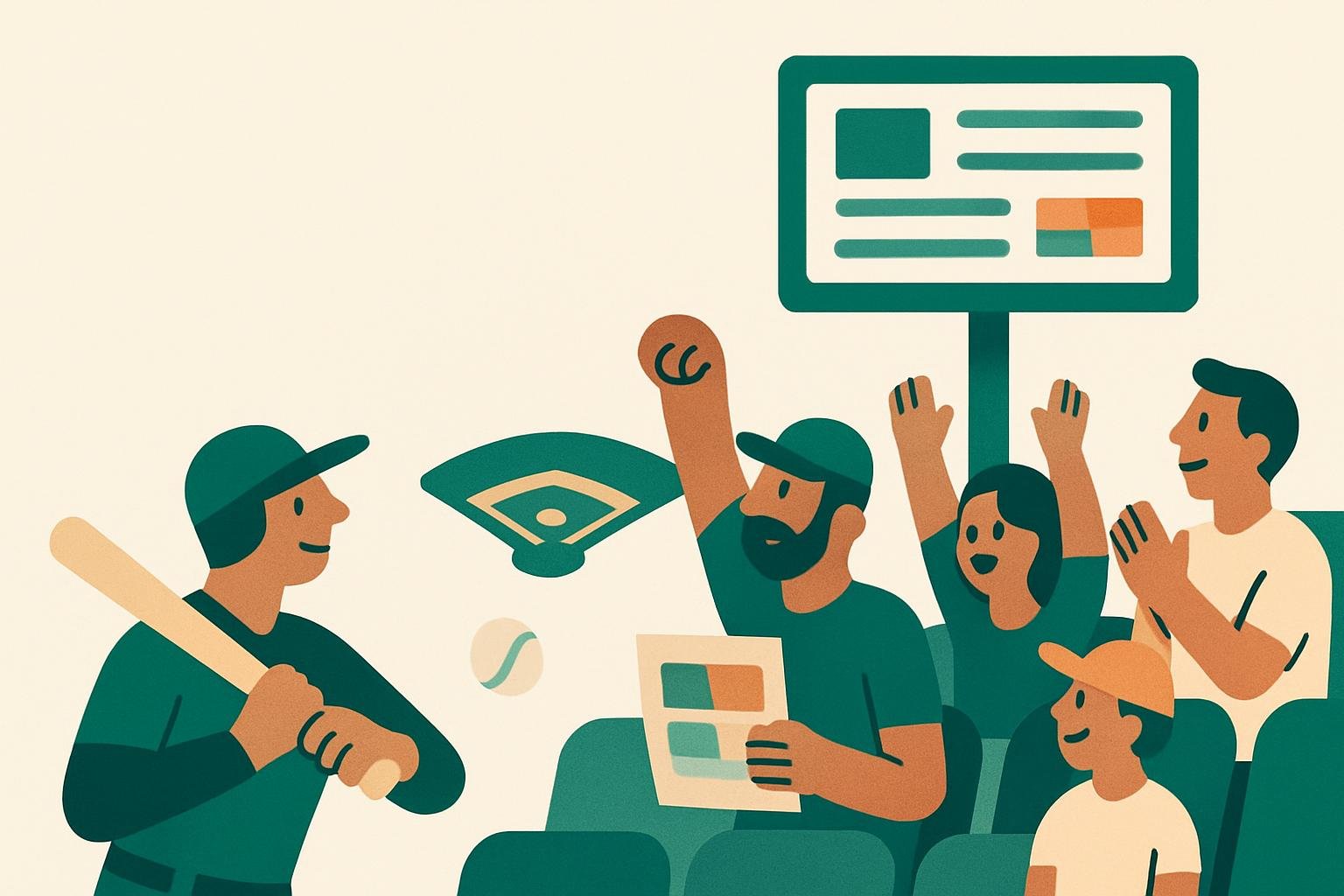
For years, the story around small local sports teams was one of quiet decline: aging stadiums, shrinking crowds, and fans lured away by high-definition broadcasts of the big leagues. That story is shifting. Minor-league baseball games, semi-pro soccer matches, community basketball leagues, and even amateur rec-league events are drawing bigger, more devoted crowds than they have in years. The reasons reveal something bigger about what people actually want from a night out.
The Draw Isn’t Just the Game
Ticket prices at major professional sporting events have climbed well past what many households consider a casual outing. A family of four attending a top-tier game often faces costs for tickets, parking, and concessions that add up fast. Local teams offer a fraction of that price for a comparable few hours of entertainment.
But cost alone doesn’t explain the loyalty. People are returning to these games because they feel like community events rather than transactions. You might run into your neighbor, your kid’s teacher, or the person who made your coffee that morning. The players are approachable, too. Fans can often chat with them after the game, get a jersey signed, or watch practice up close. That accessibility is nearly impossible to find at the professional level, where athletes are insulated by security, contracts, and distance.
Nostalgia Meets Novelty
Part of the resurgence taps into nostalgia. Older fans remember when going to a local game was simply what families did on a summer evening, before streaming and travel sports absorbed so much leisure time. That memory is proving sticky, and it’s being passed down.
At the same time, teams have gotten smarter about novelty. Between-inning contests, themed nights, food trucks, and giveaways have become standard, turning a game into a full evening of entertainment rather than just nine innings or two halves. Some teams have leaned into humor and irreverence, with mascots and social media accounts that feel more like entertainment brands than sports franchises. This mix of old-fashioned charm and modern marketing has made these events appealing across generations, not just to people chasing memories.
A Reaction to Screen Fatigue
There’s also a broader cultural current at play. After years of increased screen time and remote everything, plenty of people are actively seeking reasons to leave the house and be around other humans. Live local sports offer exactly that: a reason to show up somewhere, sit near strangers, and share a moment of shared excitement without needing to plan a big trip or spend a fortune.
Unlike watching a broadcast, being in the stands for a smaller event carries a sense of stakes and intimacy. The crowd is close enough to matter to the outcome, or at least to feel like it does. Cheering with a few hundred people in a small stadium can feel more communal than cheering alone at home during a nationally televised game, even if the play on the field isn’t as polished.
Local Identity and Loyalty
Community teams also tap into local pride in a way that’s distinct from rooting for a distant franchise. Following a minor-league or community team means following people who live in your town, went to your local schools, or work day jobs alongside their athletic pursuits. That closeness builds a different kind of loyalty, one based on shared geography and shared stakes rather than brand allegiance built through years of television exposure.
This local identity matters more in an era when so much of daily life is shaped by national or global platforms. Rooting for a hometown team, however small, offers a tangible way to feel connected to a specific place rather than an abstract, algorithm-driven feed of content.
What This Means for You
If you’ve been skipping the big-league games because of cost, crowds, or the impersonal feel of massive stadiums, local sports are worth a second look. You’ll likely spend less, sit closer to the action, and leave with a better sense of connection to the people around you.
For communities themselves, this resurgence carries real stakes beyond entertainment. Ticket revenue, concessions, and local sponsorships help keep these teams and venues afloat, which in turn supports local jobs and small businesses nearby. Attendance isn’t just a fun night out; it’s a small but meaningful vote for keeping local institutions alive.
The bigger lesson here isn’t really about sports. It’s about what people are craving as daily life becomes more digital and more disconnected: affordable, low-stakes, in-person experiences that make a place feel like home. Local sports happen to deliver that particularly well, but the appetite behind this trend extends far beyond the ballpark.
Remember: this guide is general information, not professional advice for your specific situation. For decisions with real stakes, check with a qualified professional.