Parasocial Bonds: Why You Feel Close to Creators You've Never Met
A look at why one-sided attachments to online creators and streamers have become so common, what they're replacing, and how to keep them healthy.
The Friend Who Doesn’t Know You Exist
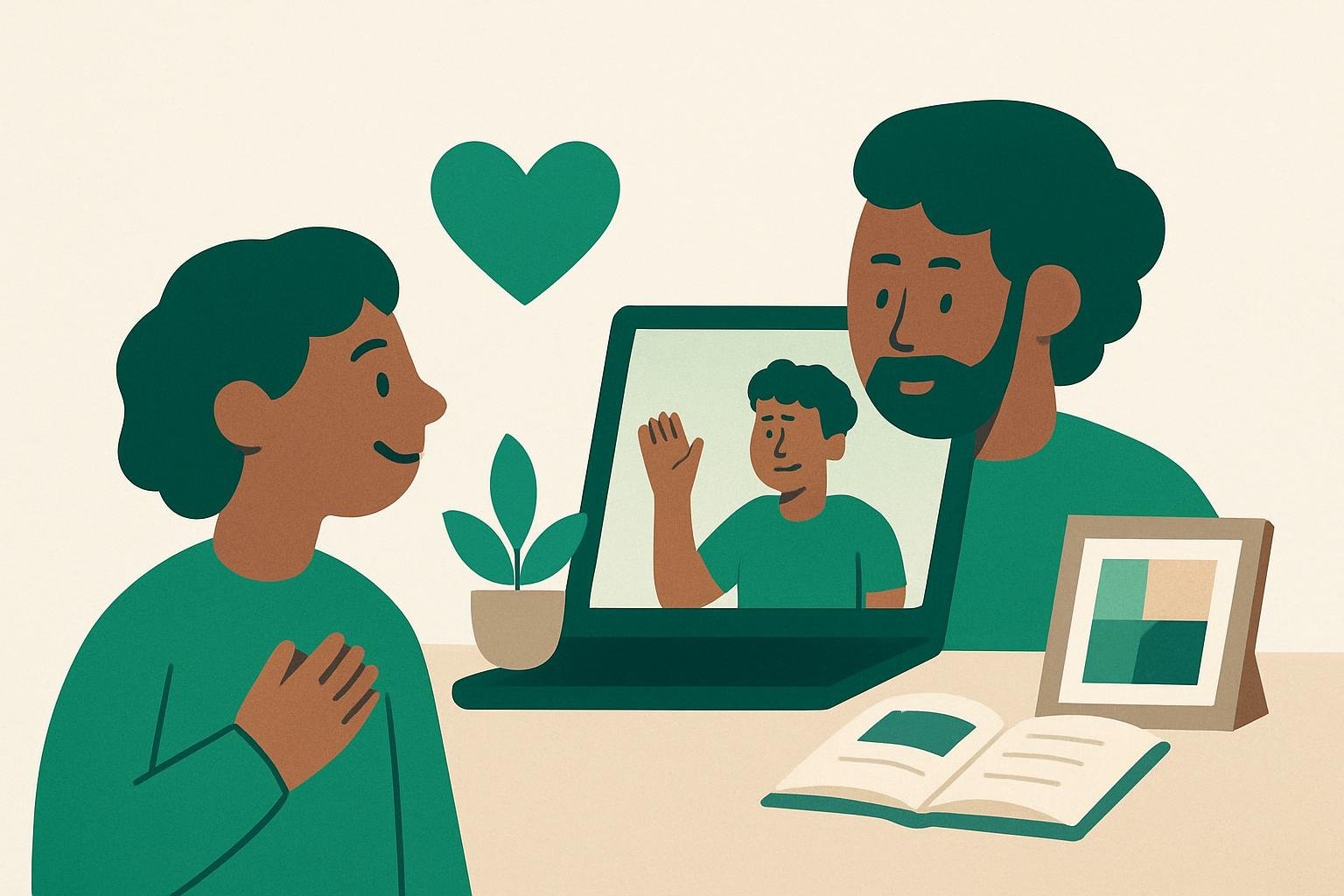
You watch her morning routine every day. You know his opinions on coffee, politics, and his ex. You feel like you’d recognize their laugh anywhere. And yet, if you passed them on the street, they wouldn’t have the faintest idea who you are.
This is a parasocial relationship: a one-sided emotional bond where one person invests real feeling, attention, and time, while the other party (a celebrity, streamer, podcaster, or influencer) has no idea the connection exists. The term isn’t new, researchers coined it decades ago to describe how people related to TV hosts and soap opera characters. But social media has turned a mild cultural quirk into something much bigger, and much more personal.
Why It’s Grown So Much
Old-school parasocial bonds were built on distance. You watched a newscaster from your couch, not from their kitchen table. Today’s creators collapse that distance on purpose. They film themselves waking up, texting friends, arguing with roommates, and thinking out loud during long drives. The format feels intimate because it’s designed to feel intimate.
Algorithms add another layer. The more you watch someone, the more that person’s face shows up in your feed, reinforcing a sense of ongoing relationship rather than occasional viewing. Add livestreams, direct comments, and the illusion of two-way conversation, and it’s easy to see why the brain starts treating a stranger like a familiar presence.
This isn’t a flaw in the audience. It’s how humans are wired. Our brains evolved to read faces, voices, and tone as signals of real relationship, and they don’t automatically distinguish between someone sitting across from you and someone talking to a camera lens.
What These Bonds Are Replacing
Part of why parasocial attachment has grown is that other forms of everyday connection have thinned out. Fewer people belong to the kinds of casual communities, like clubs, congregations, or regular neighborhood gatherings, that once provided low-stakes, ongoing contact with others. Work has become more remote or isolating for many. Friend groups scatter across cities.
Into that gap steps a creator who shows up reliably, speaks directly to “you,” and never cancels plans. It’s not a full substitute for friendship, but it can feel like a stand-in for the steady presence that used to come from a wider social circle.
That’s worth noticing, because it reframes the phenomenon. Parasocial attachment isn’t really about celebrity worship. It’s often about loneliness looking for the nearest available outlet.
The Upside Is Real
It’s tempting to treat all of this as a warning sign, but parasocial bonds aren’t inherently unhealthy. They can offer genuine comfort: a familiar voice during a rough week, a sense of belonging to a community of fellow fans, motivation from someone who models a habit you’re trying to build.
For people who are isolated by illness, disability, distance, or circumstance, these connections can meaningfully reduce feelings of loneliness. Fandom communities built around a shared creator often become real friendships among the fans themselves, which is a genuinely social outcome even if it started from a one-sided spark.
Where It Gets Complicated
The trouble starts when a parasocial bond crowds out effort toward mutual relationships, the kind where someone actually knows your name and checks in on you. It’s easy to spend an hour “catching up” with a creator’s latest video and feel socially fulfilled, even though no one on the other end knows you exist.
There’s also a financial and emotional vulnerability angle. Creators and platforms often benefit from deepening this sense of closeness, through subscriptions, tip features, or exclusive access, because intimacy sells. That’s not necessarily manipulative, but it’s worth being aware that the warmth you feel is, in part, a business model.
And because the relationship is one-sided, it can’t actually meet needs like being seen during a hard day or having someone notice you’ve been quiet lately. No amount of comment replies changes that fundamental imbalance.
A Few Honest Questions to Ask Yourself
You don’t need to quit following your favorite creators. But it helps to periodically check in with a few simple questions:
- Do I feel more connected to this creator than to people in my actual daily life?
- Am I spending money or time here that would be better spent nurturing a mutual relationship?
- Would I be upset if this creator never posted again, and if so, do I have other sources of connection to fall back on?
If the answers point toward imbalance, that’s not a reason for guilt. It’s just useful information.
The Takeaway
Parasocial bonds aren’t a sign of a broken brain or a shallow culture. They’re a predictable response to distant creators using intimate formats, layered on top of a society with fewer built-in ways to connect. Enjoying that connection is fine. The key is making sure it supplements your social life rather than quietly becoming a replacement for it.
Remember: this guide is general information, not professional advice for your specific situation. For decisions with real stakes, check with a qualified professional.