Why Airport Jobs Are Having a Cultural Moment Right Now
From viral 'day in the life' videos to a wave of new applicants, airport work is suddenly cool. Here's what's driving the trend and what the jobs are really like.
Sponsored
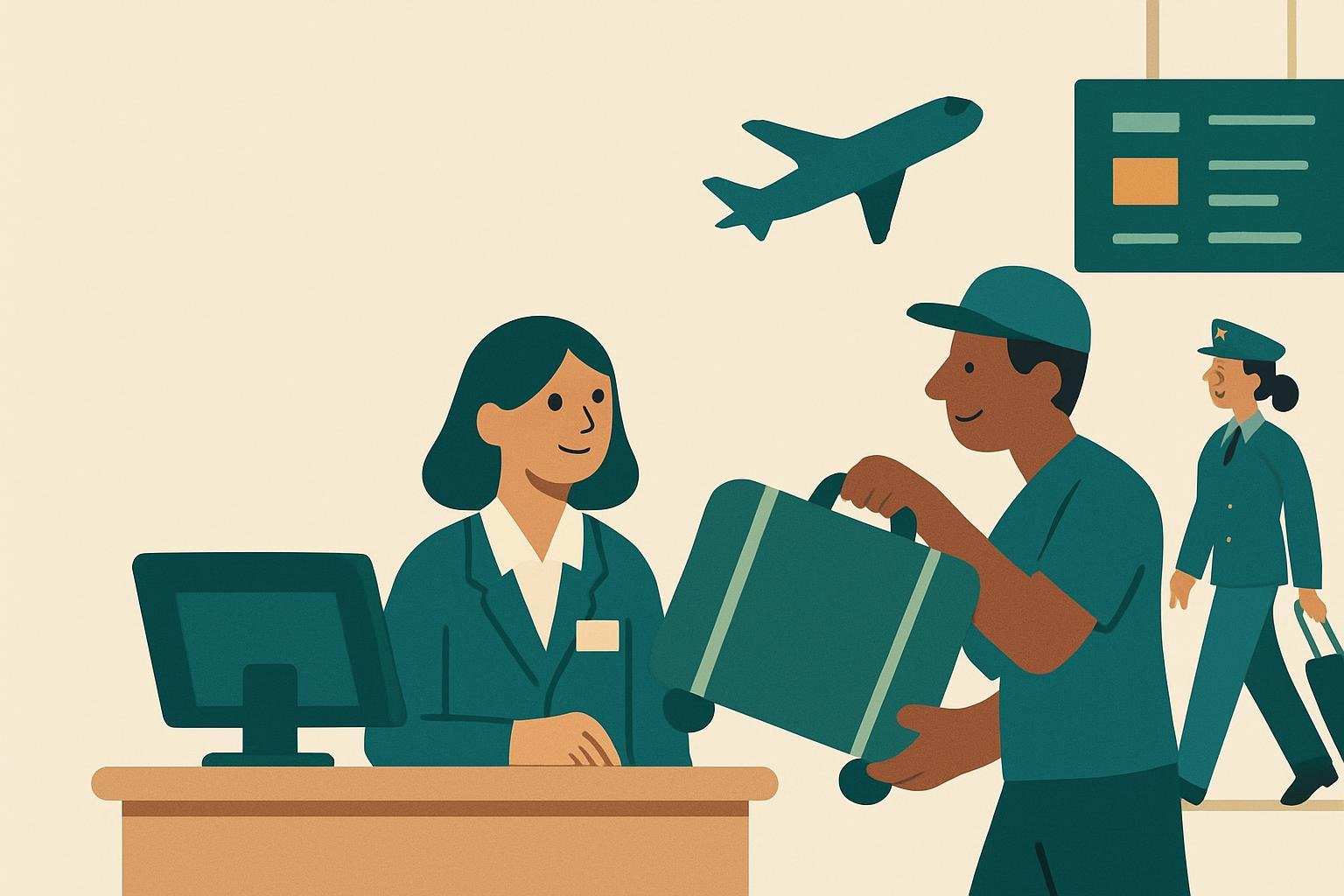
Scroll through enough travel content online and you’ll eventually land on someone in a reflective vest or an airline uniform, narrating their shift at the airport. Ramp agents loading bags, gate staff boarding a full flight in under ten minutes, flight attendants doing pre-departure checks set to a trending sound. These clips rack up views, and they’ve helped turn airport jobs into something unexpected: aspirational.
That’s a shift worth noticing. For a long time, airport work was seen as a stopgap—shift work with early mornings, standing all day, and dealing with delayed, frustrated travelers. Now it’s being framed as structured, social, and even glamorous. Understanding why says a lot about what people currently want from a job, not just what they think about airports.
What’s Actually Happening
Airlines, airport operators, and ground-handling companies have spent the past few years hiring heavily to rebuild staffing that thinned out during the pandemic. At the same time, a wave of employees and job-seekers started posting about the work itself: what a shift looks like, how boarding actually gets coordinated, what training involves, what the pay and perks are like.
These videos aren’t corporate recruitment ads. They’re personal, often funny, and specific—showing the walkie-talkie chatter, the color-coded vests, the choreography of pushing a plane back from the gate. That authenticity is part of the appeal. Viewers get a backstage pass to something they’ve experienced only from the passenger side.
Why the Appeal Now
A few things are converging to make airport work look attractive at this particular moment.
First, there’s a broader craving for jobs with visible structure. After years of remote work blurring the line between “on” and “off,” a role with a clear uniform, clear shift times, and a clear task list reads as refreshing rather than restrictive. You clock in, you know exactly what you’re doing, and you clock out.
Second, many of these roles don’t require a four-year degree, which matters as more people question whether that path is worth the cost. Airlines and airports often hire directly out of high school or after a short training program, offering a real income sooner.
Third, there’s the travel perk. Airline employees, and sometimes airport staff more broadly, get discounted or standby flights. In a culture that prizes travel as a marker of a good life, a job that makes travel cheaper and more frequent has obvious pull, even if the standby seats aren’t guaranteed and the flying often happens on days off.
Finally, airports themselves have become more visible as places, not just transit points. Food halls, lounges, art installations, and design-forward terminals have made airports feel more like destinations. Working inside one, by extension, feels less like being stuck in a hallway and more like being part of a functioning small city.
What the Jobs Actually Look Like
It’s worth separating the highlight reel from the day-to-day. Common airport roles include:
- Gate agents, who check in passengers, manage boarding, and handle rebookings when flights change.
- Ramp and baggage crew, who load aircraft, direct ground traffic, and work outdoors in all weather.
- Security and screening staff, who keep checkpoints moving while enforcing safety rules.
- Flight attendants, whose job centers on safety procedures first, service second, despite how it’s often portrayed.
- Customer service and operations staff, who solve problems at counters, information desks, and behind the scenes.
Most of these jobs involve irregular hours, holiday shifts, and physical demands—standing, lifting, or being on your feet for long stretches. Training is usually short but strict, especially anything tied to safety or security. Pay varies widely by role, airline, and location, and entry-level wages in some of these positions are modest, even with the perks factored in.
None of that shows up much in a ninety-second video, which is part of why the online version of these jobs can feel rosier than the reality.
What It Means for You
If the trend has you curious about airport work, treat the online glimpses as a starting point, not the full picture. Look into shift patterns, advancement paths, and whether travel perks come with restrictions like limited seats or blackout periods. Talk to someone who’s actually done the job if you can.
More broadly, the appeal of airport work is a useful mirror for what a lot of people are currently missing at their own jobs: clarity, camaraderie, and a sense of visible purpose. You don’t need to apply for a gate agent role to take that lesson seriously. Sometimes the takeaway isn’t “change careers”—it’s “figure out which part of that job you’re actually envying, and see if you can build more of it into the one you already have.”
Remember: this guide is general information, not professional advice for your specific situation. For decisions with real stakes, check with a qualified professional.