Why 'Good Enough' Beats 'Best': The Case for Satisficing
A look at satisficing—the decision-making habit of picking a good enough option instead of the perfect one—and why it often leads to better outcomes than exhaustive optimizing.

The Choice That Never Ends
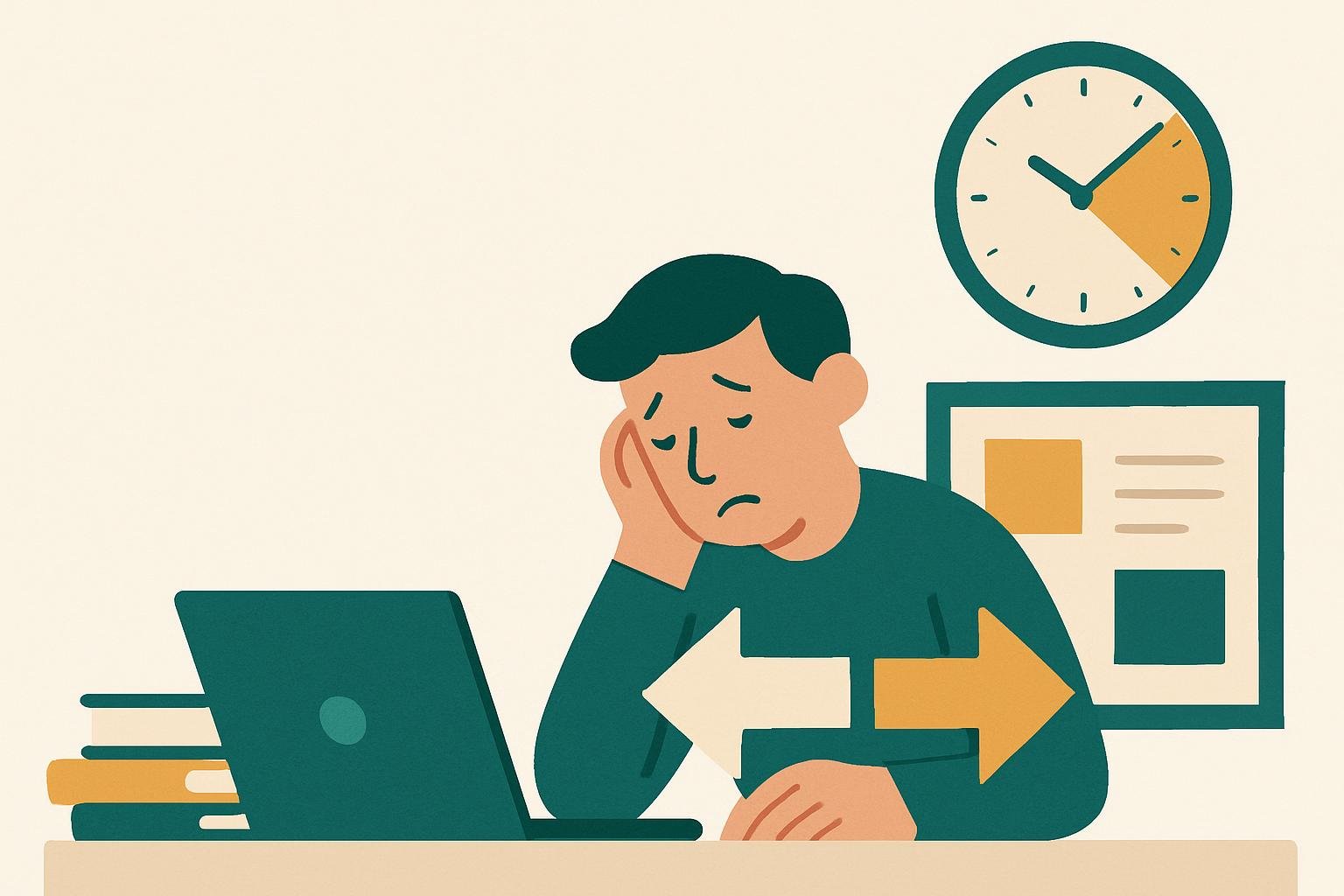
You’ve probably spent twenty minutes scrolling through streaming options before giving up and rewatching something you’d already seen. Or opened fifteen browser tabs comparing blenders before buying the third one you looked at anyway. That loop has a name: maximizing, the habit of searching for the objectively best option every time. There’s a quieter, often smarter alternative called satisficing, and understanding the difference can save you a surprising amount of mental energy.
Where the Term Comes From
The word satisficing was coined decades ago by a researcher studying how people actually make decisions, as opposed to how economic theory assumed they should. The idea is simple: instead of evaluating every possible option to find the single best one, you set a threshold for “good enough” and choose the first option that clears it. You’re not settling. You’re recognizing that the cost of further searching outweighs the benefit of a marginally better result.
Maximizers, by contrast, keep searching even after finding something solid, because they’re chasing certainty that they’ve found the absolute best. That certainty is almost always an illusion, since new options keep appearing and comparison is, in practice, endless.
Why Maximizing Backfires
It sounds responsible to want the best possible outcome. But research on decision-making consistently finds that maximizers report more regret and lower satisfaction with their choices than satisficers, even when their choices are objectively just as good or better. There are a few reasons for this.
First, more comparison means more exposure to alternatives you didn’t pick, which fuels regret. Second, exhaustive searching takes time and energy that could go toward things that matter more. Third, the pursuit of “best” is often a moving target: today’s best phone, apartment, or job offer is tomorrow’s outdated one. Chasing a target that keeps shifting is exhausting and rarely satisfying.
Satisficing Isn’t Settling
The biggest misconception about satisficing is that it means lowering your standards. It doesn’t. It means setting your standards clearly upfront, then stopping the search once something meets them. A satisficer buying a laptop might decide in advance: needs at least ten hours of battery life, fits the budget, weighs under three pounds. The first laptop that checks those boxes gets bought, full stop. A maximizer keeps browsing for a lighter one, a cheaper one, a slightly better screen, long after the decision stopped meaningfully improving.
The key skill isn’t lowering the bar. It’s defining the bar precisely enough that you know when you’ve cleared it.
Where This Matters Most
Satisficing isn’t the right approach for every decision. Some choices genuinely deserve exhaustive research: who you marry, where you live long-term, a major medical decision. But most daily and weekly decisions don’t carry that weight, and treating them as if they do is where the exhaustion creeps in.
A few areas where satisficing tends to pay off:
- Routine purchases. Groceries, household items, and anything you buy repeatedly rarely benefit from exhaustive comparison shopping.
- Restaurant and entertainment choices. The marginal difference between the “best” option and a good option is usually too small to justify the search time.
- Small work decisions. Which font, which meeting time, which minor tool to use—these rarely need a full evaluation.
- Anything with a short shelf life. If the decision’s impact fades quickly, the effort to optimize it should shrink too.
The common thread is reversibility and stakes. Low-stakes, easily reversible decisions are ideal territory for satisficing. High-stakes, hard-to-reverse ones deserve more scrutiny.
A Simple Way to Practice It
Before making a decision, try naming your threshold out loud or in a note: “I’ll pick the first option that costs under X and does Y.” Then commit to stopping once you find it. This turns a vague, open-ended search into a bounded task with a clear finish line, which is often the real source of decision fatigue: not the number of options, but the absence of a stopping point.
It also helps to set a time limit. Give yourself ten minutes to choose a restaurant, not an hour. The limit itself often improves decision quality, because it forces you to rely on judgment rather than endless comparison.
The Bigger Payoff
Satisficing frees up the attention and energy that maximizing quietly drains. The time you don’t spend agonizing over which streaming show to watch is time you can spend on decisions that actually deserve deliberation. It’s not about caring less. It’s about matching the amount of effort to the size of the decision, so the big choices get your full attention and the small ones don’t quietly eat away at your day.
The next time you catch yourself deep in a comparison spiral over something minor, ask what “good enough” would look like. Chances are, you already found it several tabs ago.
Remember: this guide is general information, not professional advice for your specific situation. For decisions with real stakes, check with a qualified professional.