Digital Twins Explained: Virtual Replicas of Real-World Systems
Digital twins—live virtual models of factories, cities, and even organs—are moving from buzzword to everyday tool. Here's what they actually do and why it matters.
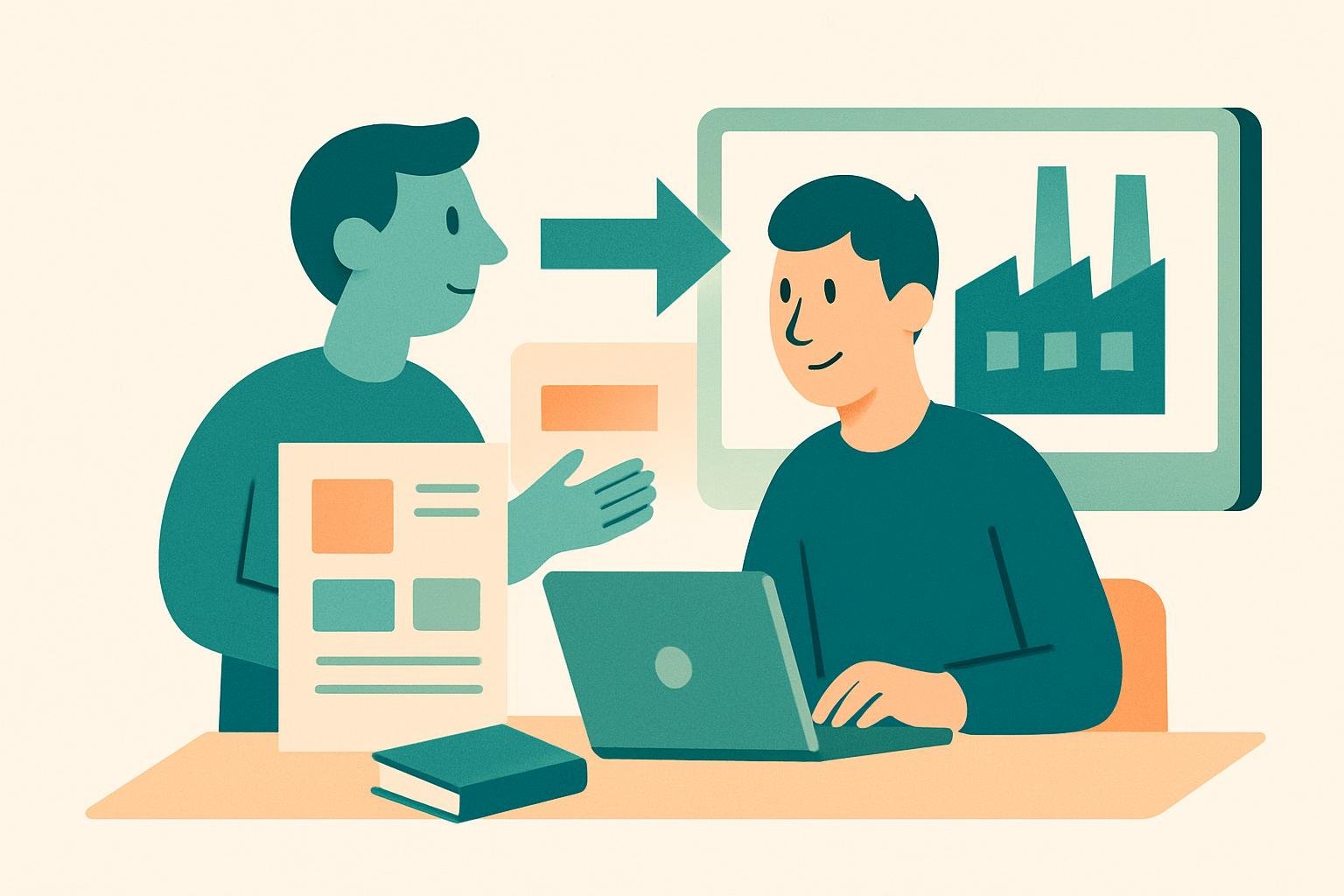
A digital twin is a virtual copy of something physical—a machine, a building, a city, even a human heart—that updates in real time as its real-world counterpart changes. Feed it live data from sensors, and the model doesn’t just sit there looking pretty. It behaves like the real thing, letting engineers test changes, predict problems, and run experiments without touching the original.
The idea isn’t new. NASA used early versions of digital twins decades ago to mirror spacecraft systems from the ground. What’s changed is the technology stack underneath: cheaper sensors, faster wireless networks, and more powerful computing have made twins practical far beyond aerospace. Now they’re showing up in factories, cities, hospitals, and even inside your own body—at least in research settings.
How a Digital Twin Actually Works
Three ingredients make a digital twin function. First, sensors on the physical object collect data—temperature, vibration, pressure, movement, whatever matters for that system. Second, that data streams to a software model that mirrors the object’s structure and behavior. Third, the model updates continuously, so it reflects the current state of the real thing rather than a snapshot from last year.
The payoff is simulation without risk. Want to know what happens if a factory line runs 20 percent faster? Test it on the twin first. Curious whether a new bridge design will hold up under heavy traffic? Model it before pouring concrete. The physical object stays untouched while the virtual one absorbs the stress test.
Factories: Where the Concept Took Off
Manufacturing is the clearest success story. Car makers and electronics manufacturers build digital twins of entire production lines, simulating how a change to one machine ripples through the rest. If a robot arm’s calibration drifts, the twin flags it before defective parts start rolling off the line.
This matters for cost and downtime. Unplanned equipment failure is expensive, not just in repairs but in halted production. A twin that tracks wear patterns can predict when a part is likely to fail, so maintenance happens on a schedule instead of in a scramble. Some plants now run twins for their entire supply chain, modeling how a shortage in one region affects assembly lines elsewhere.
Cities: Planning Before Building
Urban planners have adopted digital twins to model traffic flow, energy use, and infrastructure stress before committing real money to real streets. Singapore built one of the most cited examples, a detailed 3D model of the entire city-state used to simulate everything from pedestrian congestion to flood risk during heavy rain.
The practical use case: test a new bus route, a rezoning decision, or a stormwater system virtually first. See how it plays out under different weather patterns or population growth scenarios. It’s cheaper to find flaws in a simulation than in a half-built neighborhood.
Some cities also use twins for emergency response, modeling how evacuation routes would handle a hurricane or how a power outage would cascade through connected systems. It won’t prevent every disaster, but it gives planners a rehearsal space that doesn’t exist any other way.
The Human Body: Twins Get Personal
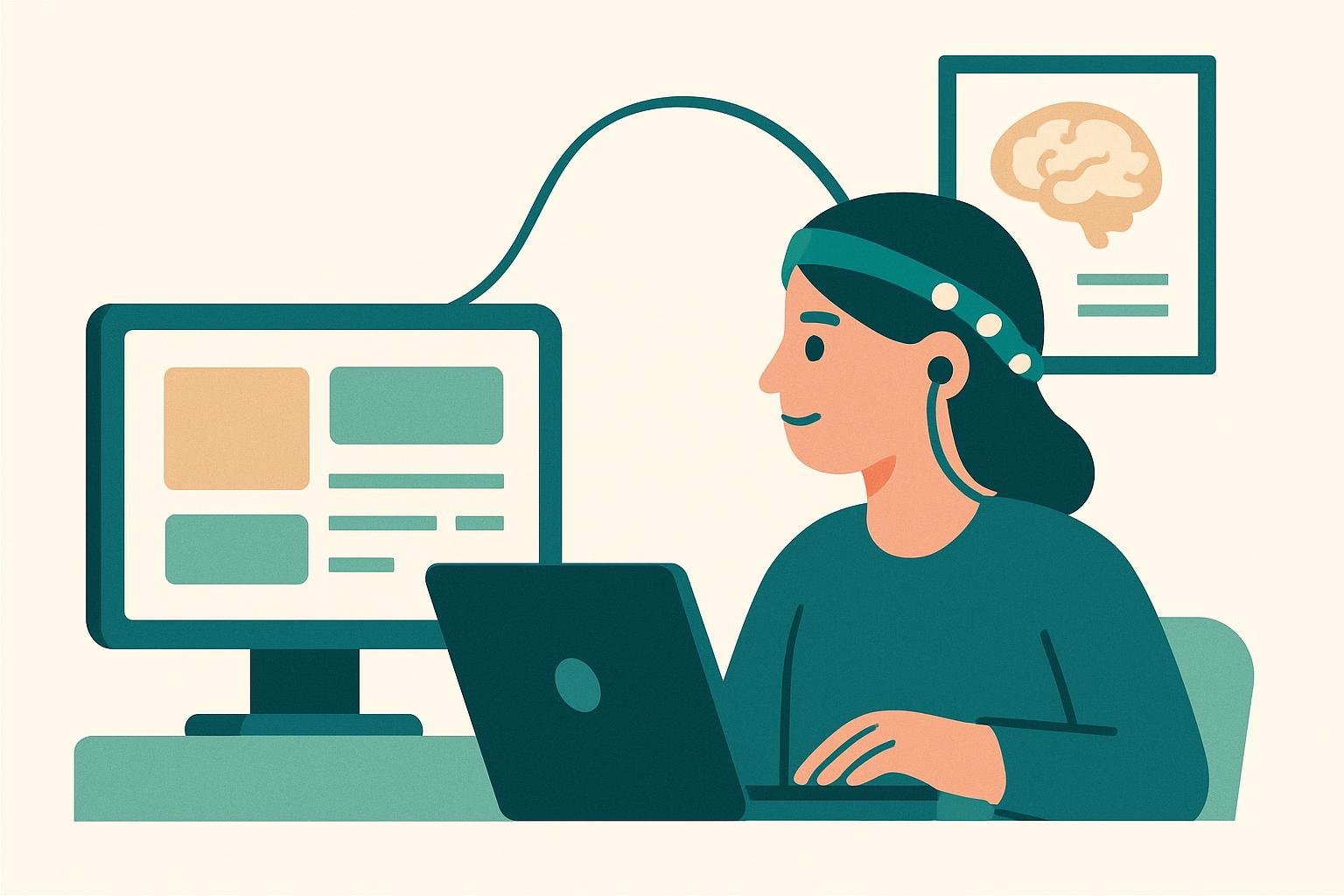
The most striking frontier is medicine. Researchers are building digital twins of individual organs—hearts, in particular—using imaging data and patient-specific measurements. The goal is a model detailed enough to test how a specific patient’s heart would respond to a particular drug dosage or a surgical implant, before doing it for real.
This is still mostly in research and early clinical trials rather than routine care. But the direction is clear: instead of treating patients based on population averages, doctors could eventually simulate treatment on a twin of that patient’s actual anatomy. Some cardiac device makers already use organ twins to fine-tune pacemaker settings before implantation, reducing the guesswork that used to require follow-up adjustments.
Why This Matters Now, Not Later
Digital twins used to require expensive, custom-built systems only large corporations or governments could afford. That’s changing. Cloud computing has made the processing power accessible, and sensor costs have dropped enough that mid-sized manufacturers and even smaller municipalities are building twins for specific projects.
The honest caveat: a twin is only as good as the data feeding it. Sparse or inaccurate sensor readings produce a model that looks convincing but misleads. And building a twin takes real upfront investment in sensors, software, and the expertise to interpret what the model is telling you. It’s not a plug-and-play fix.
Still, the trend line is obvious. As sensors get cheaper and simulation software gets more accessible, digital twins are shifting from a niche engineering tool to a standard part of how complex systems get designed, tested, and maintained. Whether it’s a city preparing for the next storm or a surgeon planning a delicate procedure, the value comes from the same principle: rehearse it virtually first, so the real version has fewer surprises.
Remember: this guide is general information, not professional advice for your specific situation. For decisions with real stakes, check with a qualified professional.