Brain-Computer Interfaces Are Going Consumer: What's Real Right Now
Brain-computer interfaces have left the research lab for early consumer products, but the gap between headline-grabbing implants and what you can actually buy is wide. Here's a clear look at what's real today.
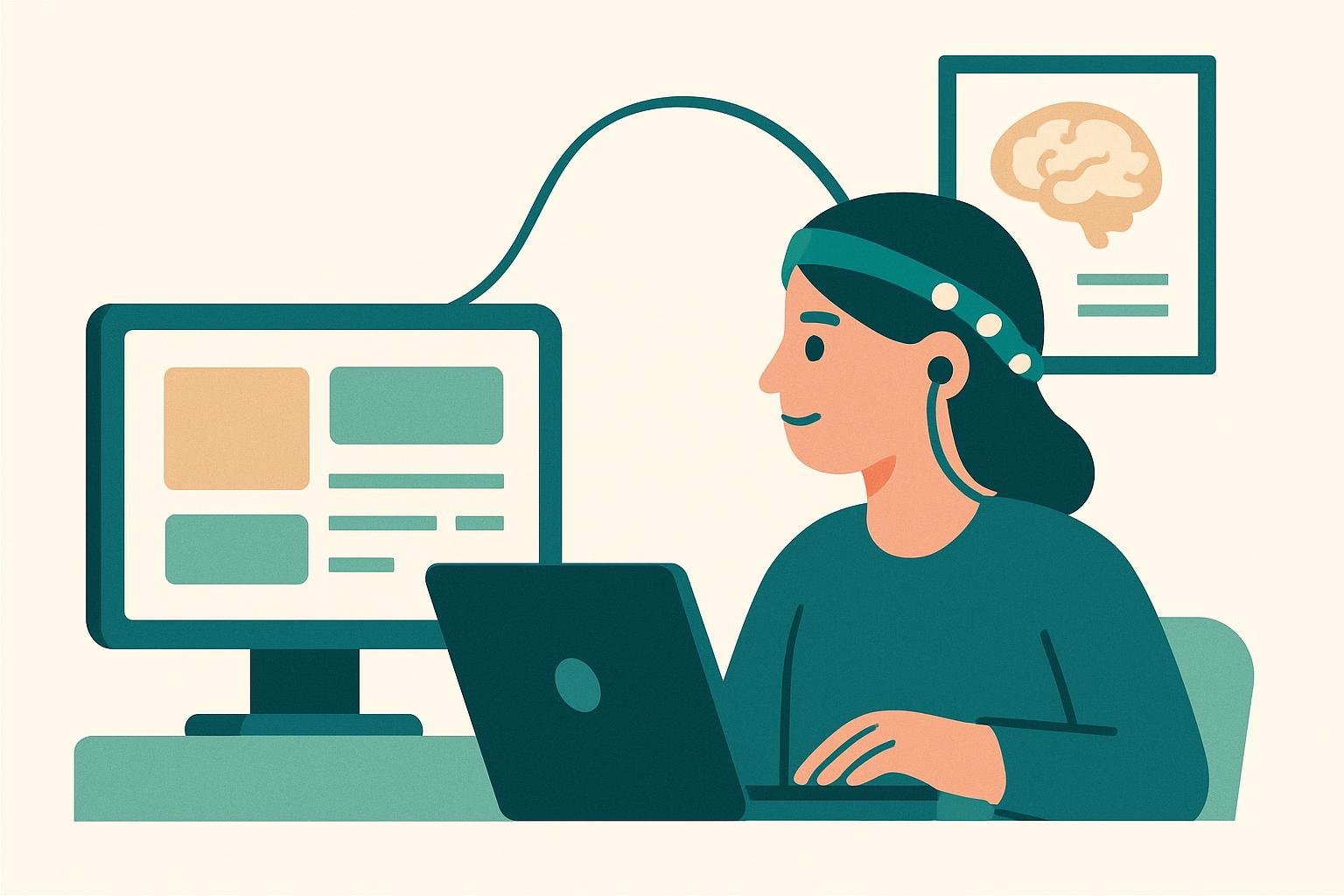
For decades, brain-computer interfaces (BCIs) lived almost entirely in university labs and medical trials, wired to bulky equipment and reserved for patients with severe paralysis. That’s changing. A handful of consumer devices now claim to read your brain activity for everyday uses, from meditation feedback to hands-free typing. The technology is real, but the gap between lab breakthroughs and what you can actually buy is still wide, and it’s worth understanding where that line sits.
Two Very Different Categories
There are essentially two tracks of BCI development right now, and conflating them causes most of the confusion.
The first is invasive BCIs, which involve surgically implanting electrodes directly into or on the surface of the brain. These are being tested in clinical trials for people with paralysis or severe motor impairment, letting them control a cursor, a robotic arm, or even type by thinking. This is genuinely groundbreaking medical research, but it’s not a consumer product. It requires surgery, ongoing medical supervision, and is nowhere near available to the general public.
The second track is non-invasive BCIs, which use sensors placed on the scalp to pick up electrical activity through the skin and skull. These are far less precise than implants, because the skull blurs and dampens the brain’s electrical signals. But they don’t require surgery, which is why this is the category showing up in stores.
What You Can Actually Buy Today
The consumer BCI market right now is mostly built on a technology called EEG (electroencephalography), which measures electrical activity through electrodes touching your scalp. You’ll find this in headbands and headsets marketed for meditation, focus training, and sleep tracking.
These devices don’t read your thoughts in any literal sense. Instead, they detect broad patterns in brainwave activity, things like whether you’re in a relaxed, alert, or distracted state, and translate that into feedback: a sound that changes when your mind wanders during meditation, or a score that tracks how focused you were during a work session.
A smaller number of products go further, using EEG signals to control simple digital actions. Some let you move a cursor or select objects on a screen with a combination of eye movement and concentration cues. Others are aimed at gaming, letting a headset detect stress or focus levels and feed that into a game’s difficulty or environment.
What none of these consumer devices do is anything close to reading specific words, memories, or detailed intentions. That level of decoding still requires the precision of implanted electrodes and is limited to research and clinical settings.
Why the Signal Is So Noisy
It helps to understand why non-invasive BCIs are limited the way they are. Your skull is an effective insulator, which is useful for protecting your brain but a real obstacle for anyone trying to read its electrical signals from outside. EEG sensors pick up a smeared, low-resolution version of what’s happening underneath, further complicated by muscle movement, eye blinks, and even the electrical hum of nearby devices.
That’s why consumer EEG products focus on broad states rather than specific content. Detecting “the wearer’s brain is in an alert state” is achievable with scalp sensors. Detecting “the wearer is thinking about a red apple” is not, at least not reliably outside a lab with tightly controlled conditions.
Where the Real Progress Is Happening
The most significant BCI advances right now are still happening in medical research, where invasive implants have allowed some paralyzed participants to control computer cursors, communicate through text, or operate robotic limbs using thought alone. These trials involve small numbers of participants, extensive surgical and rehabilitation support, and are years away from broad availability, let alone consumer use.
That medical research matters enormously for the people it’s designed to help. But it’s a separate story from the wellness headbands and gaming accessories sold as “brain-computer interfaces” in consumer marketing. The terminology overlaps, but the capabilities don’t.
What to Consider Before Buying One
If you’re curious about trying a consumer EEG device, a few things are worth keeping in mind:
- Treat claims skeptically. Terms like “read your mind” or “unlock your brain’s potential” are marketing language, not accurate descriptions of what EEG can do.
- Expect general feedback, not precision. These devices are best understood as biofeedback tools, similar in spirit to a heart-rate monitor, just measuring a different signal.
- Comfort and fit matter. Since these devices rely on scalp contact, a poor fit or thick hair can noticeably affect how well they pick up a signal.
- Data privacy is a real question. Brain-activity data is unusually personal. Check how a company stores, uses, and potentially shares it before signing up.
The Takeaway
Brain-computer interfaces are no longer purely theoretical, and that’s a genuine shift worth noting. But the consumer products available now are modest tools for tracking broad mental states, not devices that read your thoughts or grant new cognitive abilities. The dramatic capabilities you may have seen in headlines belong to medical research involving surgical implants, not anything sold at your local electronics store. Knowing that distinction will save you from disappointment, and help you set realistic expectations for a technology that’s still finding its footing outside the lab.
Remember: this guide is general information, not professional advice for your specific situation. For decisions with real stakes, check with a qualified professional.