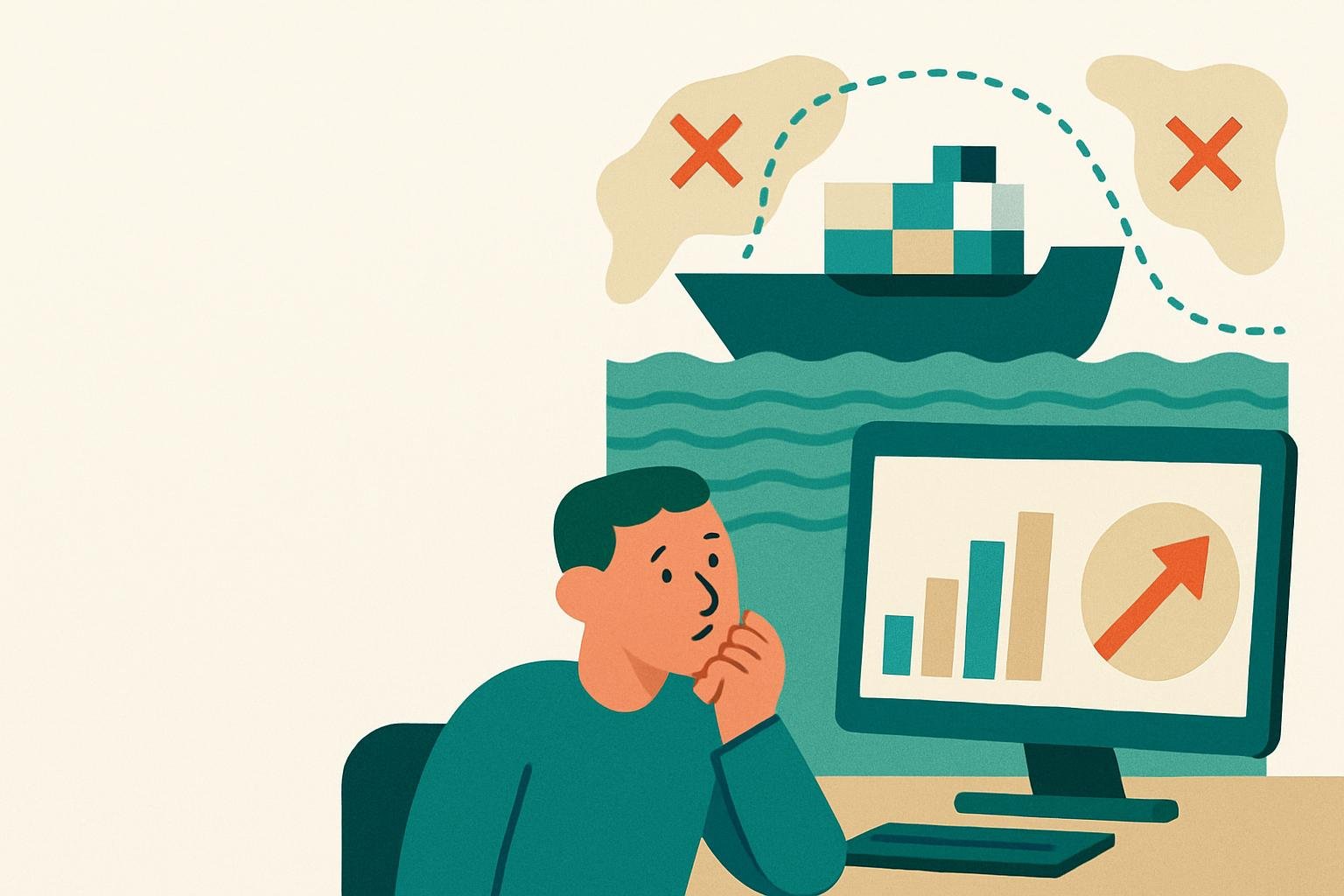
Why Home Insurance Premiums Are Spiking Across the Country
Climate-driven disasters are pushing insurers out of high-risk markets and driving premiums up everywhere else, leaving homeowners with fewer options and bigger bills.
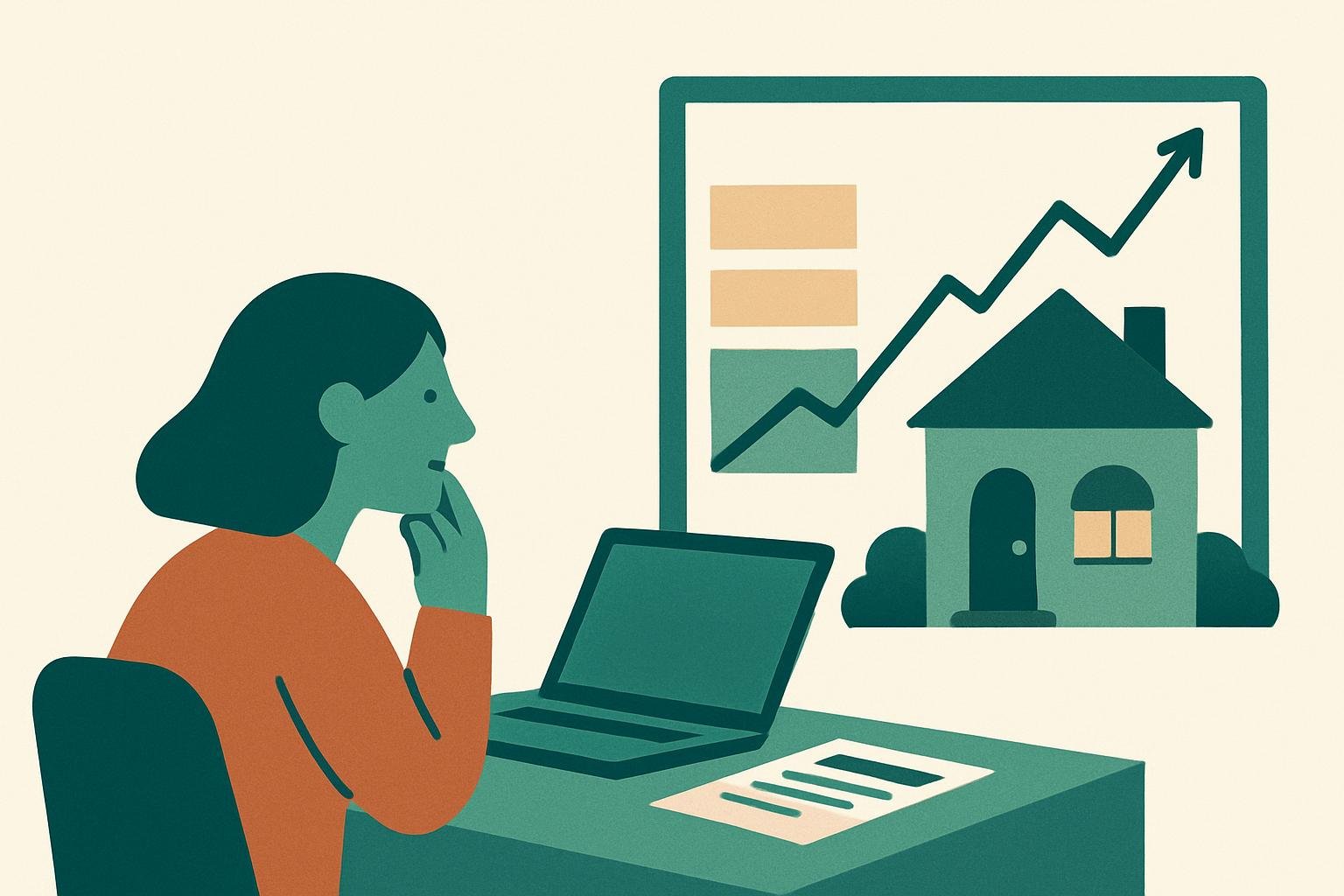
Your home insurance bill probably went up this year. If you live somewhere prone to wildfires, hurricanes, or flooding, it may have jumped dramatically, or your insurer may have dropped you altogether. This isn’t a random pricing quirk. It’s the visible edge of a bigger shift in how insurance companies think about risk.
The Math Insurers Use Has Changed
Insurance works by pooling risk. Companies collect premiums from many customers, bet that most won’t file major claims, and use that pool to pay out the ones who do. That math depends on being able to predict disasters with reasonable accuracy.
Climate-driven events are breaking that predictability. Wildfires are burning in places and seasons that used to be considered low-risk. Hurricanes are intensifying faster and pushing further inland. Flooding is happening in areas outside traditional flood maps. When insurers can’t confidently price a risk, they either charge much more to cover the uncertainty or stop offering coverage in that area entirely.
Reinsurance Costs Are Trickling Down to You
Home insurers don’t absorb catastrophic losses alone. They buy their own insurance, called reinsurance, from global companies that cover losses when disasters get too expensive for a single insurer to handle. After several years of costly wildfire and hurricane seasons, reinsurance itself has become far more expensive.
That cost gets passed down. When it becomes pricier for your insurance company to protect itself, it raises what it charges you, even if your specific home has never been damaged. This is part of why premiums are rising nationwide, not just in obviously disaster-prone states.
Some Areas Are Becoming Functionally Uninsurable
In parts of California, Florida, and Louisiana, several major insurers have stopped writing new home policies altogether. Others have declined to renew existing ones. It’s not that these companies think nothing bad will happen. It’s the opposite: they’re confident something will, and they don’t want that exposure on their books.
When private insurers pull out, homeowners often turn to state-run “insurer of last resort” programs. These plans exist to make sure people can get coverage at all, but they typically offer less protection for a similar or higher price. They’re also under financial strain themselves, since they end up covering a disproportionate share of the riskiest properties.
Why This Affects You Even If You’re Not in a Disaster Zone
Rising premiums aren’t staying contained to coastal and wildfire-prone regions. Insurance companies operate across many states, and losses in one region can influence pricing decisions everywhere else. Add in inflation on construction materials and labor, which makes rebuilding after any kind of damage more expensive, and premiums climb even in places with no unusual climate risk.
There’s also a mortgage angle worth knowing. Lenders require homeowners to carry insurance, so rising premiums directly affect how much house people can afford to buy or keep. In high-risk markets, some buyers are finding that insurance costs, not the mortgage itself, are the biggest obstacle to affordability.
What This Means for Home Values
As insurance becomes harder to get or more expensive in certain areas, it starts to affect what homes are worth there. A property that’s difficult or costly to insure is less attractive to buyers, which can put downward pressure on prices over time. This is a slow-moving shift, but it’s already showing up in some high-risk coastal and wildfire zones, where home sales are taking longer and price growth has cooled compared to less exposed areas.
What You Can Actually Do About It
There’s no quick fix for a problem this structural, but a few practical steps can help:
- Shop around annually. Insurers price risk differently, so rates can vary significantly between companies even for the same property.
- Ask about mitigation discounts. Upgrades like a new roof, storm shutters, or defensible space around a home (cleared vegetation that slows wildfire spread) can sometimes lower premiums.
- Check your coverage gaps. Standard home insurance often excludes flood damage, which requires a separate policy. Don’t assume you’re covered for the disaster most likely to hit your area.
- Factor insurance into home-buying decisions. Before making an offer, get an insurance quote for the property, not just a mortgage estimate. In high-risk areas, that number can change the math entirely.
The Bigger Picture
Insurance premiums are essentially a price signal for risk, and right now that signal is getting louder. It’s telling homeowners, builders, and local governments something worth paying attention to: certain places are becoming more expensive to live in because they’re becoming more dangerous to live in. How communities respond, through stricter building codes, better zoning, or infrastructure investment, will shape whether this trend keeps accelerating or eventually stabilizes.
Remember: this guide is general information, not professional advice for your specific situation. For decisions with real stakes, check with a qualified professional.