Why Ships Are Dodging Two Chokepoints—and What It Costs You
Attacks in the Red Sea and low water in the Panama Canal are forcing cargo ships onto longer, costlier routes, and that extra expense is starting to show up in ordinary prices.
Two Chokepoints, One Squeeze
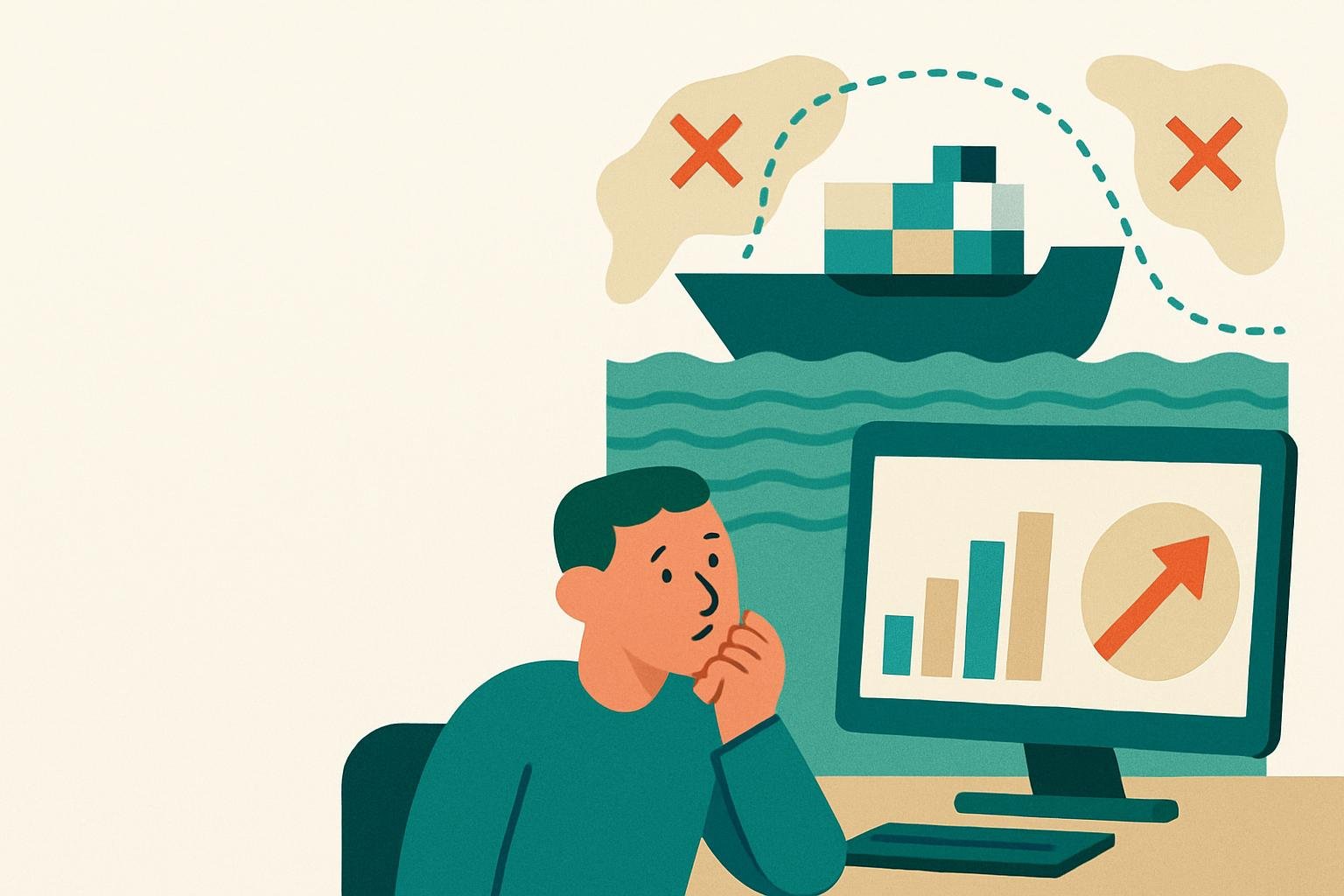
Most of what you buy spends part of its life on a container ship, and most of those ships rely on a handful of narrow passages to move efficiently between continents. Right now, two of the most important ones—the Red Sea and the Panama Canal—are both under strain at the same time. That overlap is rare, and it’s why shipping costs have been creeping upward even as headlines about it stay relatively quiet.
What’s Happening in the Red Sea
The Red Sea leads into the Suez Canal, the shortcut that lets ships travel between Asia and Europe without sailing all the way around Africa. Attacks on commercial vessels in the region have made many shipping companies unwilling to risk that route, even though it saves significant time and fuel.
Instead, a large share of vessels now sail around the Cape of Good Hope at the southern tip of Africa. That detour can add a week or more to a voyage. Longer voyages mean more fuel burned, more crew time paid, and fewer trips a ship can make in a year. Shipping lines pass those costs along the chain, and eventually they land in the price tags you see.
What’s Happening in the Panama Canal
On the other side of the world, the Panama Canal has faced a different problem: not violence, but water. The canal depends on a system of freshwater lakes to fill its locks and lift ships between sea levels. Prolonged drought conditions have lowered water levels in those lakes, forcing canal authorities to limit both the number of ships passing through each day and how much cargo each ship can carry.
That second restriction matters as much as the first. A ship that would normally carry a full load may have to leave some containers behind just to sit high enough in the water to pass safely. Fewer transits and lighter loads both shrink the canal’s total capacity, even without a single security incident.
Why Two Problems at Once Is Unusual
Normally, if one major route gets disrupted, ships can lean more heavily on alternatives. The Suez and Panama canals aren’t direct substitutes for each other—they serve different trade lanes—but they’re both critical relief valves for global shipping capacity. With both constrained simultaneously, there’s less slack in the system overall. Ships, containers, and port capacity that would normally absorb a disruption in one region are already stretched thin dealing with the other.
How This Reaches Everyday Prices
The effect on your wallet is rarely dramatic or immediate. Shipping costs are just one ingredient in a product’s final price, alongside materials, labor, and retailer markups. But when shipping costs rise across the board, for months at a time, that pressure tends to show up gradually in goods that travel long distances: electronics, furniture, clothing, appliances, and imported food.
It also shows up indirectly. Retailers facing higher and less predictable shipping costs sometimes raise prices modestly across their catalog to cover the uncertainty, even on items not directly affected by either route. That’s part of why price increases tied to shipping disruptions can feel diffuse rather than tied to any one product.
Who Feels It First
Businesses that rely on tightly timed deliveries feel it before consumers do. Retailers who stock up well in advance can often absorb a slow supply chain without raising prices right away. Companies that depend on just-in-time delivery—ordering inventory close to when they need it—have less cushion and are more likely to pass costs on quickly or face empty shelves.
Seasonal goods are especially exposed. Products tied to a specific shopping window, like holiday items or back-to-school supplies, have little room to absorb a delayed shipment. If a ship is a week late because it went around Africa instead of through Suez, that can mean missing the sales window entirely, not just paying more.
What Could Change This
Both situations are, in theory, fixable, but on different timelines. Panama’s canal capacity is tied to rainfall patterns, so a wetter season can restore water levels and lift restrictions relatively quickly. The Red Sea situation depends on political and security conditions that are harder to predict and could persist or ease with little warning.
Shipping companies are also adapting in the background. Some are investing in larger ships to carry more cargo per voyage despite the longer routes, offsetting some of the added cost. Others are shifting more cargo toward rail and air freight for time-sensitive goods, even though those options cost more per unit.
The Practical Takeaway
You likely won’t see a single price spike you can point to and blame on ships going the long way around Africa. What you’re more likely to notice is a slow drift: shipping costs, shelf prices, and delivery times for imported goods nudging upward or slowing down over months rather than days.
If you’re planning a big purchase on something imported—furniture, electronics, appliances—buying a little earlier than you might otherwise, rather than waiting for a sale that assumes normal shipping conditions, is a reasonable hedge. The disruption isn’t dramatic enough to panic over, but it’s persistent enough to notice.
Remember: this guide is general information, not professional advice for your specific situation. For decisions with real stakes, check with a qualified professional.