The Gut-Mood Link: What the Microbiome Research Really Shows
Gut bacteria and brain chemistry are genuinely connected, but the popular narrative outruns the science. Here's what's solid, what's speculative, and what you can reasonably do about it.
You’ve probably seen the claim by now: your gut is a “second brain,” and fixing it could fix your mood. It’s a catchy idea, and it’s not baseless. But the research behind it is more nuanced than the headlines suggest, and knowing the difference matters if you’re deciding whether to overhaul your diet or buy another probiotic.
The Basic Science, Without the Hype
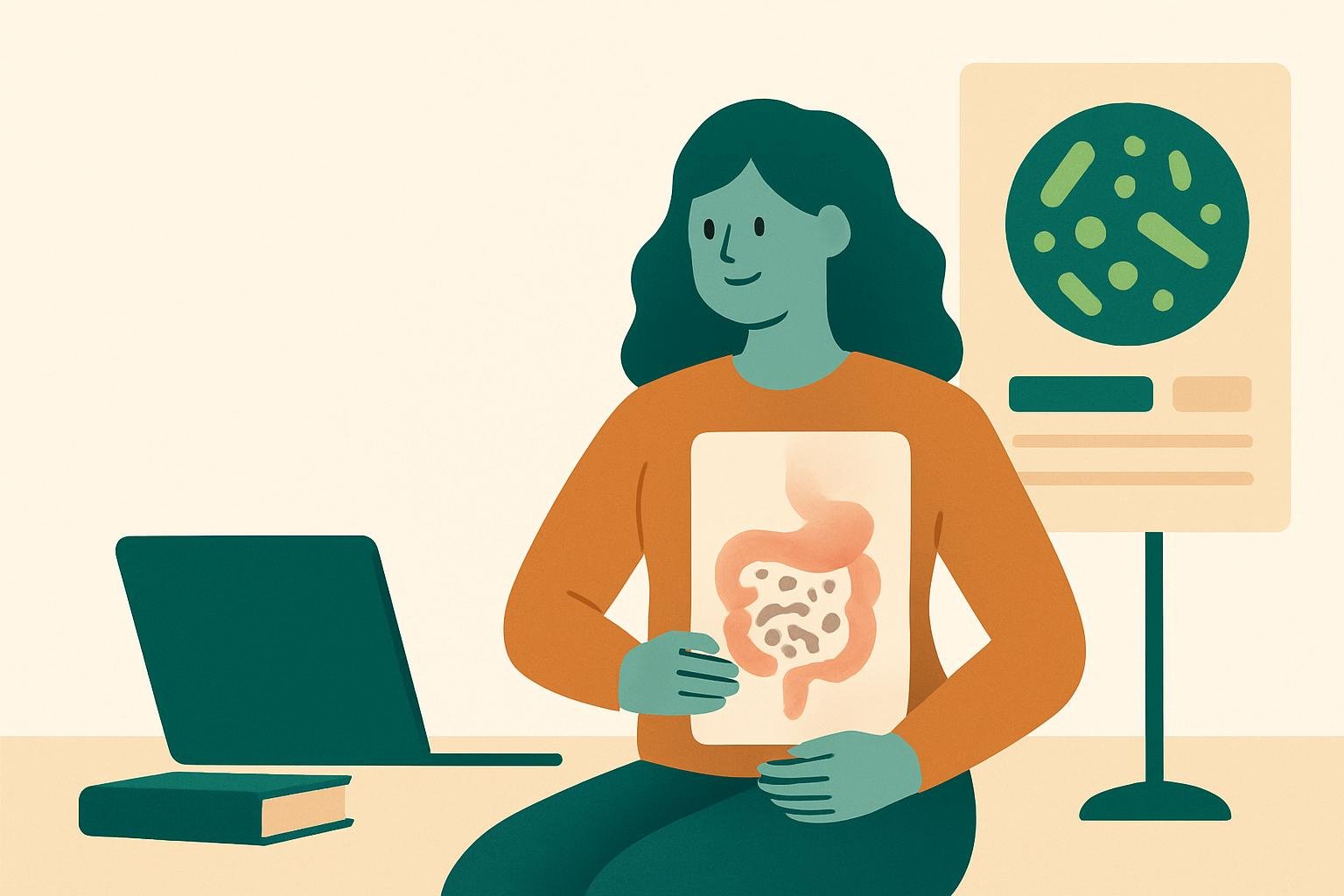
Your gut hosts trillions of microorganisms—bacteria, fungi, and other microbes collectively called the microbiome. These organisms do real work: they help digest fiber, produce vitamins, and train your immune system. They also communicate with your brain through what researchers call the gut-brain axis, a network involving the vagus nerve (a long nerve connecting gut and brain), immune signaling, and chemical messengers.
Some gut bacteria produce compounds that resemble neurotransmitters, including versions of serotonin and GABA, chemicals involved in mood regulation. This is where the excitement started. If gut bacteria can produce mood-related chemicals, the logic goes, then an unhealthy gut could plausibly contribute to anxiety, depression, or brain fog.
That logic is reasonable as a hypothesis. It is not yet a proven mechanism in humans.
What the Evidence Actually Supports
Much of the striking early research came from mice, not people. Studies have shown that germ-free mice (raised without any gut microbes) behave differently under stress than normal mice, and that transferring gut bacteria from anxious mice to calm ones can shift behavior. These experiments are genuinely interesting, but mouse brains and human brains are not interchangeable, and lab stress tests don’t map neatly onto human mood disorders.
Human research exists too, but it’s largely observational. Studies have found that people with depression tend to have different gut bacteria compositions than people without it. That’s a correlation, not proof of cause. It’s entirely possible that mood affects gut bacteria, rather than the other way around. Poor sleep, low activity, and appetite changes—all common with depression—can alter what lives in your gut.
A smaller number of clinical trials have tested probiotics (supplements containing live beneficial bacteria) for mood or cognitive benefits. Results have been mixed and often modest. Some trials show small improvements in mood scores; others show no meaningful effect. Sample sizes tend to be small, and study designs vary widely, making it hard to draw firm conclusions or recommend specific strains.
Why This Gap Between Hype and Evidence Exists
Part of the issue is complexity. The gut microbiome varies enormously from person to person, shaped by diet, genetics, medication history, and even where you live. A bacterial strain that helps one person may do nothing for another. Researchers are still working out which specific microbes matter, in what quantities, and under what conditions.
Another issue is measurement. Mood and cognition are hard to quantify precisely, and self-reported surveys used in many studies introduce noise. Combine that with a biological system as variable as the gut, and it’s easy to see why results are inconsistent.
None of this means the gut-mood connection is fake. It means the science is still in an early, exploratory phase—promising but unsettled.
What This Means for You
If you’re hoping for a simple fix, the honest answer is: there isn’t one backed by strong evidence yet. But a few practical points are worth holding onto.
- Diet diversity genuinely supports gut health. Eating a wide variety of plant fiber, from vegetables, fruits, legumes, and whole grains, feeds a broader range of beneficial bacteria. This is well established, even if the direct link to mood isn’t.
- Fermented foods are a reasonable, low-risk addition. Yogurt, kefir, sauerkraut, and kimchi introduce live cultures and have general health support, though not guaranteed mood effects.
- Be skeptical of specific probiotic claims. If a supplement promises to cure anxiety or sharpen memory, treat that as marketing, not science. The strain-specific, dose-specific research needed to back such claims mostly doesn’t exist yet.
- Sleep, exercise, and stress management still matter more. These have decades of solid research behind their effects on mood and cognition. The gut microbiome is a newer, less certain piece of the puzzle.
The Bigger Picture
The gut-brain connection is one of the more exciting frontiers in current biology, and it’s likely that in a decade, doctors will understand it well enough to offer targeted advice. For now, treat the idea of a gut-mood link as scientifically plausible but not clinically actionable in any specific way.
The practical takeaway isn’t to chase the newest probiotic trend. It’s to keep doing the boring, well-supported things—eating varied whole foods, sleeping enough, moving your body—while staying curious about where this research goes next. Good science takes time to separate a compelling idea from a proven one, and gut-brain research is still very much in that middle stage.
Remember: this guide is general information, not professional advice for your specific situation. For decisions with real stakes, check with a qualified professional.