The Global Plastics Treaty Talks Keep Stalling: Here's Why
Global negotiations for a binding plastics treaty have repeatedly missed their deadline, and the sticking points reveal deep disagreement over what actually solves plastic pollution.
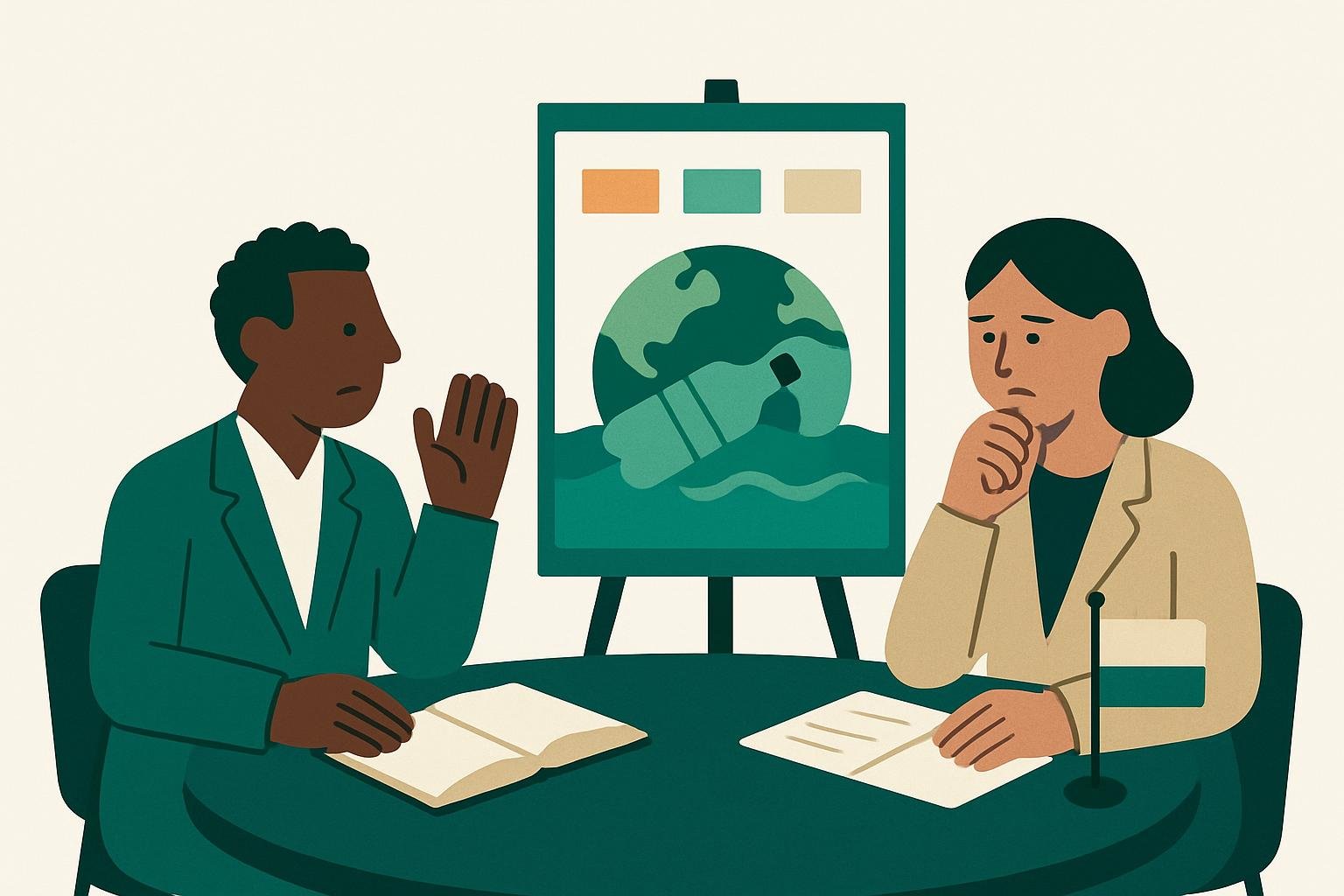
Nearly every country on Earth agreed, back in 2022, that plastic pollution was a big enough problem to need a global treaty. That much was easy. Agreeing on what the treaty should actually do has proven far harder, and the latest round of talks ended the way the last few did: without a deal.
If you’ve followed the news only loosely, the pattern probably looks familiar. Delegates gather, headlines mention a “historic” opportunity, and then talks stall over disagreements that never quite make it into the summary coverage. Here’s what’s actually going on, and why it matters even if you never think about plastic beyond which bin it goes in.
What the Treaty Was Supposed to Do
The idea started strong: a legally binding agreement, similar in ambition to past climate accords, that would address plastic pollution across its entire lifecycle. That phrase matters. It means the treaty wasn’t just supposed to tackle ocean litter or beach cleanups. It aimed to cover everything from how much new plastic gets made, to what chemicals go into it, to how it gets disposed of once you’re done with it.
That scope is exactly why the talks have struggled. A narrow treaty about cleaning up waste is relatively uncontroversial. A treaty that limits how much plastic gets produced in the first place touches oil and gas revenue, manufacturing jobs, and national economic strategy. Once production caps entered the conversation, the negotiations stopped being a tidy environmental discussion and became a much bigger economic one.
The Core Disagreement
Broadly, countries have split into two camps.
One group, often called the “high ambition” coalition, wants binding limits on how much virgin plastic (newly made plastic, not recycled) the world produces each year. Their argument is straightforward: recycling and cleanup can’t keep pace with production, so the only way to actually shrink the problem is to make less plastic in the first place.
The other group, which includes several major oil-producing nations along with some plastic-manufacturing economies, argues the treaty should focus on waste management and recycling instead. Their position is that plastic itself isn’t the problem, poor disposal is, and that production limits would unfairly penalize countries whose economies depend on petrochemicals.
This isn’t a small technical dispute. It’s a fundamental disagreement about what kind of problem plastic pollution actually is: a materials problem or a systems problem.
Why Consensus Rules Make This Harder
Adding to the difficulty is how these negotiations are structured. Like many UN environmental agreements, the plastics talks operate on consensus, meaning virtually every participating country has to agree before text gets locked in. That approach protects smaller nations from being steamrolled by more powerful ones, which is valuable. But it also means a handful of countries with strong incentives to protect plastic production can slow or block provisions that most of the world supports.
This is a familiar tension in global governance. The same dynamic has shown up in trade negotiations and climate talks for decades. When everyone needs to agree, the outcome tends to reflect the most cautious participant in the room, not the most ambitious one.
What’s Been Left Out of the Coverage
One detail that gets lost in most headlines: even a “failed” round of talks isn’t necessarily wasted. Negotiators have been steadily narrowing the actual text under discussion, cutting bracketed options and clarifying where disagreements truly lie. That’s slow, unglamorous progress, but it’s real. Diplomats sometimes describe this phase as harder than the flashy opening sessions, because it’s where vague ambition turns into specific commitments people have to actually keep.
Another overlooked point is that plastic pollution isn’t a single issue with a single fix. Microplastics in water systems, chemical additives in packaging, and mismanaged waste in coastal regions are related but distinct problems. A treaty broad enough to cover all of them was always going to require compromises that satisfy no one completely.
What It Means for You
A global treaty, even a strong one, wouldn’t change your daily routine overnight. But its absence has a quieter effect: it leaves plastic policy fragmented, with individual countries and companies setting their own rules at wildly different paces. That’s part of why you might notice some products marked recyclable in one place and not another, or why plastic bag bans vary so much by city and state.
In the meantime, national and local regulations are likely to keep moving faster than the global process, since smaller groups of governments can agree more easily than nearly two hundred countries can. Watching your own region’s rules on packaging, recycling labeling, and single-use plastics will probably tell you more about near-term change than the next round of treaty headlines will.
The stalled talks aren’t a sign that the world has given up on solving plastic pollution. They’re a sign of just how tightly plastic is woven into global economies, and how much harder it is to legislate against something once it’s become that essential to how goods get made and moved. That’s worth remembering the next time a treaty session ends without a deal: the story isn’t over, it’s just slower and messier than the headlines suggest.
Remember: this guide is general information, not professional advice for your specific situation. For decisions with real stakes, check with a qualified professional.