The Capsule Wardrobe Trend Is Quietly Changing How We Shop
Minimalist dressing is moving from niche lifestyle choice to mainstream habit, and it's starting to reshape how brands sell and how people spend on clothes.
Why This Matters Now
A closet built around a small, versatile set of clothes used to be a niche lifestyle choice. Now it’s showing up everywhere: decluttering videos, secondhand app growth, and a growing number of shoppers who say they’re buying less but spending more per item. That shift isn’t just a fashion trend. It’s changing how retailers plan inventory, how fast fashion brands are responding, and how everyday people think about value when they shop.
What a Capsule Wardrobe Actually Is
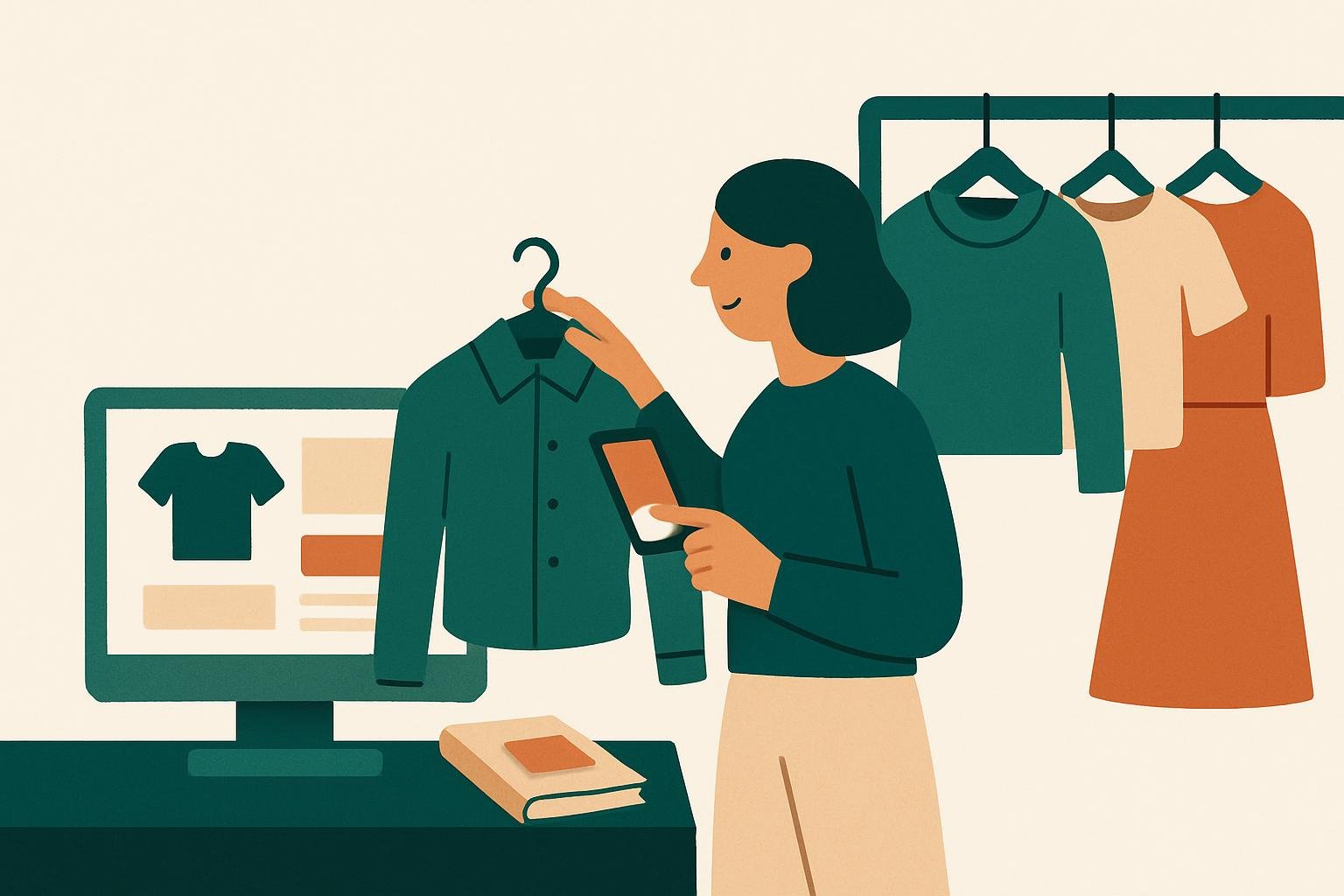
The basic idea is simple. Instead of owning dozens of trend-driven pieces, you build a wardrobe around a limited number of items, often 30 to 50, that mix and match easily. Neutral colors, classic cuts, and quality fabrics do the heavy lifting. The goal isn’t deprivation. It’s reducing decision fatigue and making sure everything in your closet actually gets worn.
This isn’t a brand-new concept. Boutique owners and stylists have floated versions of it for decades. What’s different now is the scale. Social platforms have turned capsule wardrobes into a visible, shareable format, and that visibility is nudging more casual shoppers to try a smaller-scale version of the same idea.
The Money Shift Behind the Trend
The most interesting part of this trend isn’t the clothes themselves. It’s the spending pattern underneath them.
When someone commits to a capsule approach, a few predictable things tend to happen:
- Purchase frequency drops. Fewer impulse buys, fewer “just in case” items.
- Per-item spending often rises. If you’re buying five sweaters a year instead of fifteen, you’re more willing to pay for better material or construction.
- Cost-per-wear becomes the mental math. Shoppers increasingly ask how many times they’ll actually wear something before deciding it’s worth the price.
- Return rates can shrink, since capsule shoppers tend to buy more deliberately rather than ordering multiple sizes or styles to test at home.
This reshuffles where money goes. Instead of many small transactions spread across fast fashion retailers, spending consolidates into fewer, more considered purchases, often from brands that emphasize durability or timeless design over trend cycles.
How Retailers Are Responding
Brands don’t ignore a shift like this. Several are adjusting in visible ways.
Some fast fashion companies have introduced “core” or “essentials” lines, betting that even trend-focused shoppers want a few reliable basics they don’t have to think about. Other retailers are leaning into transparency around materials and construction, since capsule-minded shoppers tend to research before buying rather than grabbing what’s on the rack.
The secondhand and resale market has also benefited. If you’re building a smaller, higher-quality wardrobe, buying gently used pieces from resale platforms can stretch a budget further while still avoiding impulse-driven fast fashion. That’s part of why resale has grown from a niche hobby into a mainstream shopping channel over the past few years.
Meanwhile, some retailers are quietly worried. A wardrobe built to last for several years, rather than one season, means fewer repeat purchases. That’s a real threat to business models built on frequent turnover and low prices.
The Practical Case for Trying It
You don’t need to overhaul your closet overnight to benefit from this idea. A partial capsule approach still works.
Start by tracking what you actually wear for a month. Most people find they rotate through a small fraction of their closet regularly, while the rest sits untouched. That gap is where the savings live.
From there, focus new purchases on items that solve a real gap, not just something that caught your eye. Ask whether a piece works with at least three things you already own. If it doesn’t, it’s probably not a capsule addition. It’s a trend purchase, and there’s nothing wrong with those occasionally, but they shouldn’t make up the bulk of your spending.
Quality matters more in this model than quantity. A well-made basic that lasts several years often costs less per wear than a cheaper version replaced every few months, even if the upfront price feels higher.
The Bigger Picture
Minimalist dressing taps into something broader than fashion. It reflects a growing appetite for spending less but spending better, whether that’s clothes, gadgets, or home goods. As more people adopt some version of this mindset, expect retailers to keep adjusting, offering more durable basics, clearer material information, and stronger resale options.
The capsule wardrobe isn’t about owning less for its own sake. It’s about making sure every dollar spent on clothing actually earns its place in your closet. That’s a habit worth keeping, whether or not you ever count your wardrobe down to an exact number.
Remember: this guide is general information, not professional advice for your specific situation. For decisions with real stakes, check with a qualified professional.