Digital Dollars and Euros: What Central Bank Currencies Could Change
Central banks worldwide are piloting digital versions of their currencies. Here's what a digital dollar or euro would actually mean for how you pay, save, and get paid.
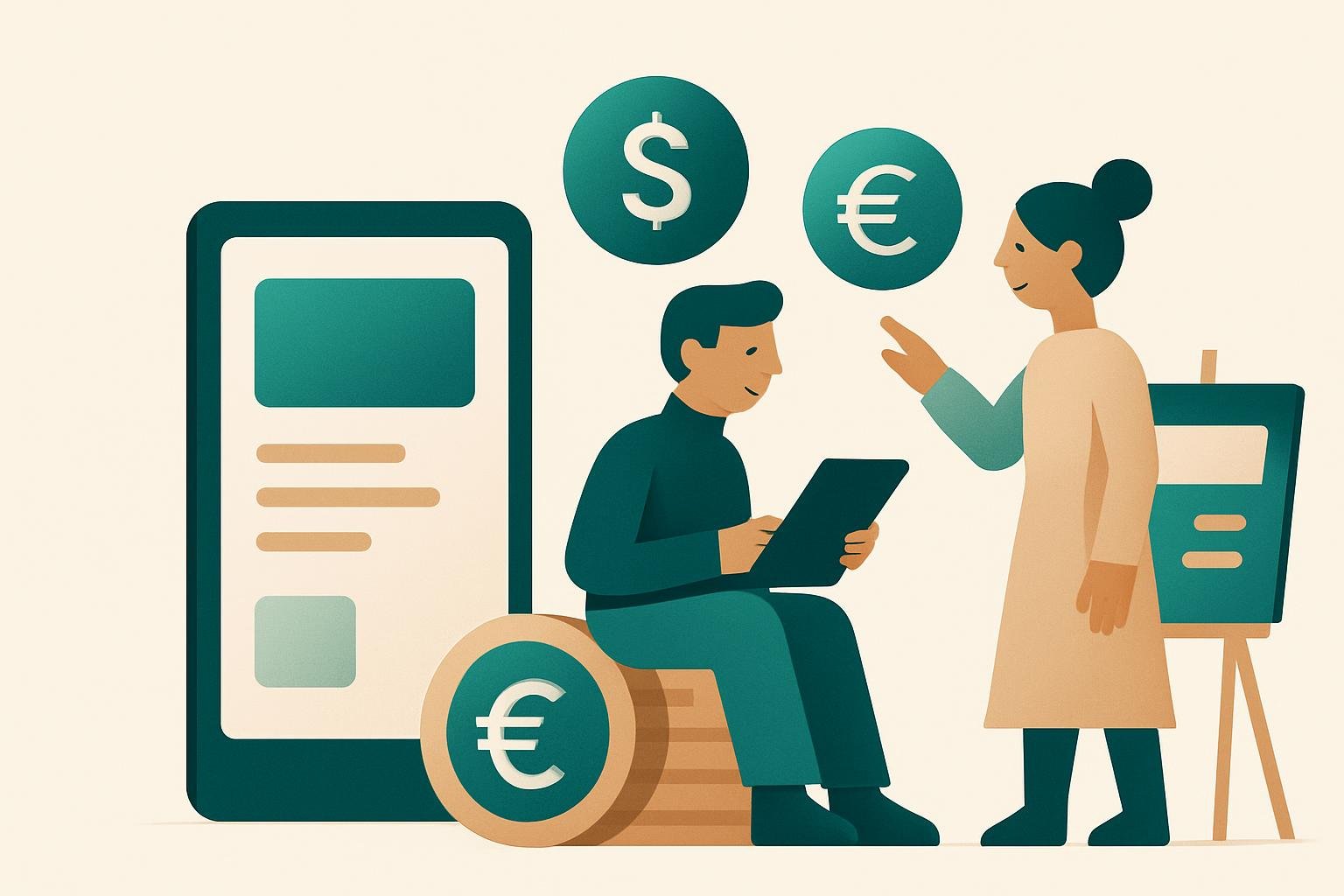
Money is already mostly digital. Your paycheck lands as numbers in an app, and you tap a card instead of counting bills. So why are central banks around the world spending years building something called a “digital dollar” or “digital euro”? The answer says less about convenience and more about who controls the plumbing behind your money.
What a CBDC Actually Is
A central bank digital currency, or CBDC, is a digital form of a country’s official money, issued directly by the central bank rather than by a commercial bank. That distinction matters more than it sounds.
Right now, the dollars in your checking account are technically a liability of your bank, not the government. Your bank promises to give you cash on demand, and deposit insurance backs that promise up to a limit. A CBDC would be a direct digital claim on the central bank itself, the same kind of backing that physical cash already has.
More than 100 countries are exploring some version of this, according to global tracking efforts by financial institutions. China has rolled out a digital yuan in pilot cities. The European Central Bank is moving through preparation phases for a digital euro. The United States has been more cautious, running research projects without committing to a rollout.
Why Now
Several pressures are pushing this forward at once.
Cash use is declining in many countries, and central banks worry about losing a direct link to the public if all money flows through private companies. Cryptocurrencies and stablecoins, digital tokens often pegged to a currency’s value, have shown there’s demand for programmable, easily transferable money. Central banks want an official option that doesn’t cede that ground to volatile or unregulated alternatives.
There’s also a competitive angle. If one major currency’s digital version becomes the global standard for online payments, it could shape trade and financial influence for decades. No central bank wants to be the one left behind.
What Would Actually Change for You
Here’s where it gets practical. For most everyday spending, a digital dollar or euro might feel almost invisible at first.
You’d likely access it through an app, similar to how you use payment apps now. Buying coffee, paying rent, or splitting a bill wouldn’t look dramatically different on the surface. The real changes would happen underneath.
Faster, cheaper transfers. Sending money across borders currently involves multiple banks, fees, and delays. A CBDC could settle those transfers directly and instantly, since it removes several middlemen from the chain.
Backup during bank stress. If a commercial bank ever failed or froze withdrawals, funds held directly in a central bank digital currency wouldn’t depend on that bank’s solvency. This is actually one reason some banks have pushed back against CBDCs, worried that people would pull deposits out of commercial accounts during uncertain times, weakening the banks’ ability to lend.
Access without a bank account. In theory, a CBDC could give people without traditional bank accounts a way to hold and spend digital money directly, using just a phone.
The Privacy Question
This is where most public pushback lands. Physical cash is anonymous. A digital currency issued by a government, by contrast, could theoretically make every transaction traceable at a level today’s banking system doesn’t allow, especially if it isn’t carefully designed.
Central banks pursuing these projects have generally said they intend to preserve reasonable privacy, similar to how debit card transactions work now, with data available to banks and regulators but not broadcast publicly. Still, trust here is doing a lot of work, and skepticism is a major reason U.S. lawmakers have moved slowly on the idea.
There’s also a control question. Programmable money, digital currency embedded with rules about how it can be spent, could allow governments to set expiration dates on stimulus funds or restrict certain purchases. No major CBDC pilot has implemented this, but the technical possibility fuels a lot of the resistance.
What’s Actually Coming Soon
Don’t expect a digital dollar in your wallet next year. The Federal Reserve has said any move would require congressional authorization, and that conversation hasn’t gained real momentum. The digital euro is further along, with the European Central Bank targeting a possible launch later this decade, pending political approval.
China remains the furthest ahead in actual usage, though adoption there has been slower than officials hoped, with many residents preferring existing mobile payment apps they already trust.
The Practical Takeaway
For now, a digital dollar or euro won’t change how you pay for lunch. What it represents is a longer-term shift in who issues and controls the money moving through the economy, and how much visibility governments and institutions have into that flow.
The details, especially around privacy protections and limits on programmability, will determine whether this ends up as a quiet infrastructure upgrade or a genuine shift in how much control people have over their own money. Worth watching, not worth losing sleep over just yet.
Remember: this guide is general information, not professional advice for your specific situation. For decisions with real stakes, check with a qualified professional.